
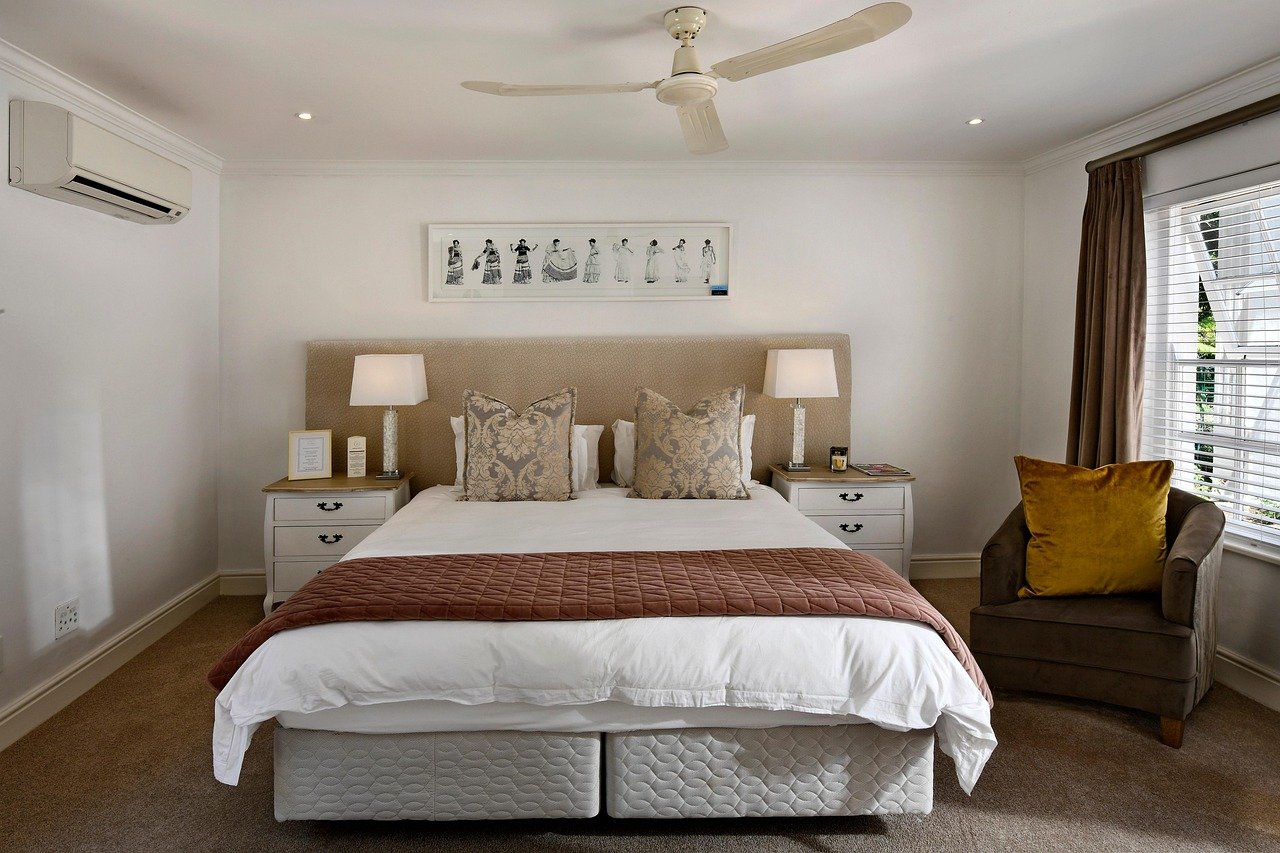
After spending over fifteen years working with luxury hospitality brands and consulting for high-end residential properties, I’ve discovered that the difference between ordinary sleep and transformative rest lies in understanding what makes hotel bedding truly exceptional. The best bedding sets for hotel quality home comfort aren’t just about thread counts and fancy marketing—they represent a strategic investment in daily wellness and property value that most people completely underestimate.
What separates successful bedding choices from expensive mistakes is recognizing that hotels don’t achieve that signature crisp, luxurious feel by accident. They use specific material combinations, construction techniques, and layering systems that create consistent comfort across thousands of nights and countless guests. I’ve witnessed firsthand how the right bedding set can transform a bedroom from merely functional to genuinely restorative, affecting everything from sleep quality to morning productivity. The reality is that replicating hotel comfort at home requires understanding the science behind commercial-grade textiles and the practical considerations that make certain bedding sets perform consistently over years of daily use. The best bedding sets for hotel quality home comfort combine durability with indulgence, creating sleeping environments that enhance both immediate comfort and long-term satisfaction.
Thread Count Reality and Performance Standards
Look, the thread count marketing game has created more confusion than clarity in the bedding industry, and I’ve seen too many clients waste money chasing numbers instead of focusing on actual performance characteristics. The best bedding sets for hotel quality home comfort typically use thread counts between 300-500, not the 1000+ counts that retail marketers love promoting. What hotels understand that most consumers don’t is that ultra-high thread counts often sacrifice breathability and durability for initial softness that doesn’t last.
Quality percale weaves with 400-thread counts consistently outperform 800-thread count sateen in long-term comfort and maintenance requirements. The key insight from my experience working with hotel procurement teams is that they prioritize fabric construction and fiber quality over raw thread count numbers. Long-staple cotton with proper percale weaving creates the crisp, cool feeling that guests associate with luxury hospitality. Smart buyers focus on the relationship between thread count and weave type rather than treating thread count as an isolated metric.
Material Selection for Commercial-Grade Durability
Here’s what most people miss about hotel bedding: it needs to withstand industrial laundering cycles, frequent use, and maintain appearance standards that exceed residential requirements. The best bedding sets for hotel quality home comfort use materials specifically chosen for their resilience under demanding conditions. Egyptian cotton and Pima cotton dominate luxury hotel specifications because they provide superior fiber length and strength compared to regular cotton varieties.
What I’ve learned from working with hotel chains is that material selection directly impacts replacement cycles and guest satisfaction scores. Inferior cottons develop pilling, lose color vibrancy, and become rough after repeated washing within months rather than years. Commercial-grade cotton maintains its crisp hand-feel and visual appeal through hundreds of wash cycles, which translates to exceptional longevity in residential use. The investment in premium cotton varieties pays dividends in comfort consistency and replacement cost avoidance that budget options simply cannot match.
Percale vs. Sateen: Understanding Professional Preferences
The weave structure debate represents one of the most critical decisions in achieving authentic hotel comfort, and the data clearly shows why most luxury properties choose percale construction over sateen alternatives. The best bedding sets for hotel quality home comfort predominantly feature percale weaves that provide superior breathability, temperature regulation, and that distinctive crisp feeling guests expect. Percale’s plain weave construction creates natural ventilation that prevents heat buildup during sleep.
Sateen weaves, while initially softer, trap heat and develop a slippery surface that many find less comfortable for extended sleep periods. What hotels figured out decades ago is that percale maintains its performance characteristics regardless of room temperature or humidity levels, making it reliable across different climates and seasons. The trade-off between initial softness and long-term performance heavily favors percale for consistent guest satisfaction. As highlighted in lifestyle publications like Red Diary, the trend toward breathable, temperature-regulating bedding reflects broader awareness of sleep quality factors that extend beyond basic comfort.
Color and Design Strategies That Work
Commercial bedding color choices aren’t arbitrary—they reflect practical considerations about maintenance, guest psychology, and operational efficiency that smart residential buyers should understand. The best bedding sets for hotel quality home comfort typically feature white or neutral colors that provide flexibility in decor changes while hiding minor imperfections that develop over time. White bedding also allows for bleaching during deep cleaning cycles that restore freshness and remove stains completely.
What I’ve observed across different hotel segments is that color choices directly impact perceived cleanliness and luxury levels regardless of actual quality. Bold colors and patterns may look appealing initially but show wear patterns, fading, and staining more readily than neutral alternatives. The psychological impact of crisp white bedding creates associations with cleanliness and luxury that colored alternatives struggle to match. Strategic accent colors can be introduced through pillows, throws, and decorative elements without committing to colored base bedding that may feel dated or show wear prematurely.
Sizing and Fit Specifications That Matter
Most people underestimate how dramatically proper sizing affects the overall sleeping experience, and I’ve seen beautiful bedding sets fail completely due to inadequate fit considerations. The best bedding sets for hotel quality home comfort include fitted sheets with deep pockets that accommodate modern mattress heights without popping off corners during normal movement. Standard residential fitted sheets often use insufficient elastic or shallow pockets that create frustration with thicker mattresses.
Hotel specifications typically require fitted sheets with 15-18 inch pockets to ensure secure fit across different mattress types and heights. Flat sheets need adequate dimensions to provide proper tucking and layering without feeling restrictive during sleep. What works consistently across different bed sizes is choosing bedding sets that err on the generous side for dimensions rather than fighting with inadequate coverage. The investment in properly sized bedding eliminates daily frustration with sheet management and improves sleep quality through secure, comfortable coverage that stays in place throughout the night.
Layering Systems for Temperature Control
The secret to hotel comfort lies not just in individual components but in understanding how different bedding layers work together to create optimal sleep environments year-round. The best bedding sets for hotel quality home comfort include multiple components that allow customization based on personal preferences and seasonal requirements. Hotels typically use lightweight blankets, medium-weight duvets, and decorative throws that guests can adjust without replacing entire bedding systems.
What I’ve learned from consulting with hospitality brands is that successful layering requires components with complementary weights and breathability characteristics. Heavy duvets paired with non-breathable sheets create heat buildup that disrupts sleep quality. Smart layering uses breathable base layers with adjustable insulating layers that accommodate different comfort preferences. As discussed in travel publications like First Travel Diary, the layering principles that work in luxury hotels translate directly to creating adaptable residential sleep environments that perform consistently across different seasons and personal preferences.
Maintenance Requirements and Longevity Planning
Here’s where many people make expensive mistakes: they choose bedding based on initial feel rather than long-term maintenance requirements and replacement costs. The best bedding sets for hotel quality home comfort require specific care routines that maintain performance and appearance over years of regular use. Hotels invest in commercial-grade washing equipment and professional cleaning products that most residential users cannot replicate exactly.
However, quality bedding sets designed for hotel use typically perform well with residential washing machines when proper techniques are followed. The key insights from hotel housekeeping operations include using gentle cycles, avoiding fabric softeners that coat fibers, and maintaining proper water temperatures that clean effectively without damaging cotton fibers. What separates long-lasting bedding from quickly degrading alternatives is often the care routine rather than initial quality differences. Investment in proper maintenance pays dividends in comfort retention and replacement cost avoidance that budget bedding cannot match regardless of care quality.
Investment Analysis and Value Proposition
Most people approach bedding purchases with unrealistic expectations about performance lifecycles and cost-per-use calculations that don’t reflect actual usage patterns. The best bedding sets for hotel quality home comfort represent investments that should provide 5-10 years of consistent performance with proper care, making initial cost less relevant than long-term value delivery. Quality bedding sets in the $200-500 range typically offer superior cost-per-night value compared to budget alternatives requiring frequent replacement.
What I always tell clients is that sleep quality affects productivity, health, and overall life satisfaction in ways that justify premium bedding investments. The data from sleep studies consistently shows improved rest quality with proper bedding, though individual results vary based on personal preferences and environmental factors. As reported in business publications like Mystery Business News, the home luxury market has seen significant growth as consumers recognize the connection between quality sleep environments and overall well-being. The key is matching bedding investment levels to actual usage patterns and quality expectations rather than pursuing maximum luxury regardless of practical considerations.
Conclusion
Selecting the best bedding sets for hotel quality home comfort requires understanding the specific characteristics that make commercial hospitality bedding perform consistently across diverse conditions and user preferences. The most successful bedding investments result from prioritizing material quality, construction techniques, and maintenance compatibility over marketing claims or aesthetic preferences that may not translate to long-term satisfaction.
What I’ve learned from working across both hospitality and residential sectors is that hotel-quality comfort at home depends more on understanding professional specifications than simply buying expensive bedding. Thread counts, weave structures, material selection, and sizing all contribute to creating sleep environments that deliver consistent luxury experiences night after night.
The bedding industry continues evolving with new materials and construction innovations, but the fundamental principles of breathability, durability, and proper fit remain constant. Success comes from applying commercial-grade selection criteria to residential purchases while adapting maintenance routines to achieve professional-level results with home equipment. The investment in truly hotel-quality bedding pays dividends in sleep quality, durability, and daily comfort that transform bedrooms into genuine retreats from daily stress.
What thread count provides the best hotel-quality comfort?
Thread counts between 300-500 offer optimal balance of durability, breathability, and comfort for hotel-quality bedding. Higher counts often sacrifice airflow and longevity for initial softness. Focus on cotton quality and weave construction rather than pursuing maximum thread count numbers, as commercial specifications prioritize performance over marketing metrics.
Why do hotels prefer percale over sateen bedding?
Percale weaves provide superior breathability, temperature regulation, and maintain crisp texture through repeated commercial washing cycles. Sateen traps heat and develops slippery surfaces that reduce comfort during extended sleep. Percale construction delivers consistent performance across different climates and seasons, making it reliable for diverse guest preferences and operational requirements.
How important is proper sizing for hotel-quality bedding sets?
Proper sizing significantly impacts comfort and functionality, with fitted sheets requiring 15-18 inch deep pockets for secure fit on modern mattresses. Inadequate sizing creates frustration with sheets that slip or feel restrictive. Quality bedding sets include generous dimensions that accommodate different mattress heights and provide adequate coverage for comfortable sleep positioning throughout the night.
What maintenance routines preserve hotel-quality bedding performance?
Use gentle wash cycles, avoid fabric softeners that coat fibers, and maintain proper water temperatures for effective cleaning without fiber damage. Professional-grade bedding performs well with residential equipment when proper techniques are followed. Regular maintenance using hotel housekeeping principles extends bedding lifespan and preserves the crisp, fresh feeling associated with luxury hospitality experiences.
What’s the realistic lifespan for hotel-quality bedding investments?
Quality hotel-grade bedding sets typically provide 5-10 years of consistent performance with proper care and maintenance. Initial investments in $200-500 range deliver superior cost-per-night value compared to frequent budget replacements. Lifespan depends on usage frequency, care routine quality, and initial material selection, with premium cotton varieties offering exceptional durability under residential use conditions.